
Signs Your Dog May Be Overweight: Dog Parent Body Check Guide | DVM-Reviewed

Quick Answer A dog may be overweight if the ribs are hard to feel, the waist is less visible from above, the abdominal tuck disappears, or your dog tires more easily during normal activity. Mild weight gain can creep up slowly, so body condition scoring and regular weight checks are usually more useful than eyeballing…
Read MoreHow to Choose a Healthy Dog Treat: A Vet-Reviewed Guide for Dog Parents

Quick Answer A healthy dog treat is one that fits your dog’s age, calorie budget, chewing ability, digestive tolerance, and overall lifestyle. For many dog parents, that means choosing a natural or organic treat with a clear ingredient story, sensible portion size, and reliable digestibility. The best treats are not the ones with the loudest…
Read MoreProbiotics and Prebiotics for Dogs: What Dog Parents Should Know About Digestion, Gas, and Sensitive Stomachs
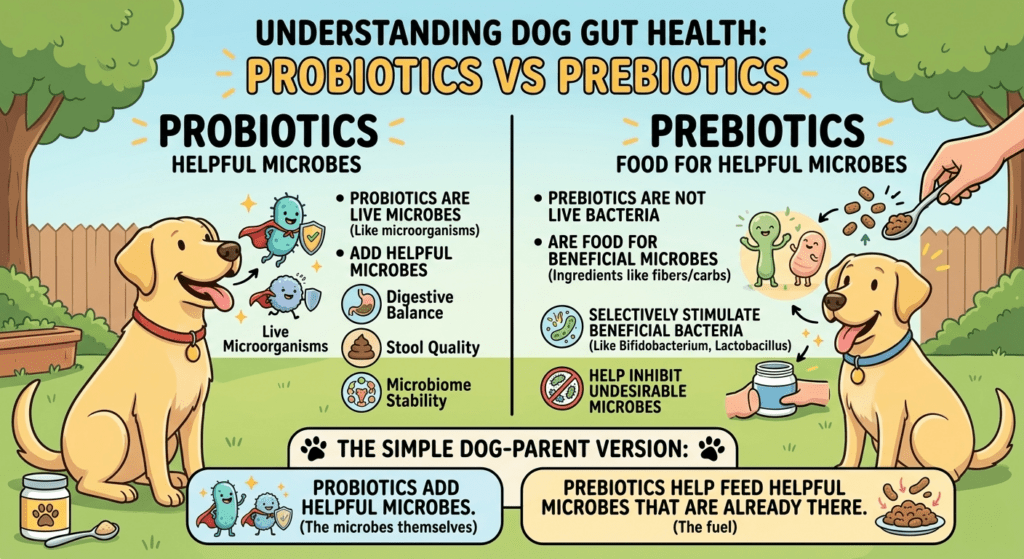
Quick Answer Probiotics and prebiotics can both support gut health in dogs, but they work differently. Probiotics are live microorganisms, while prebiotics feed beneficial gut microbes already present. Some dogs may benefit from them during diet changes, mild digestive stress, or sensitive-stomach routines, but persistent symptoms need veterinary care.[1–4] By Superfood Science Writing Team |…
Read MoreHow Often Should My Dog Have a Wellness Check? 2026 Vet-Reviewed Guide
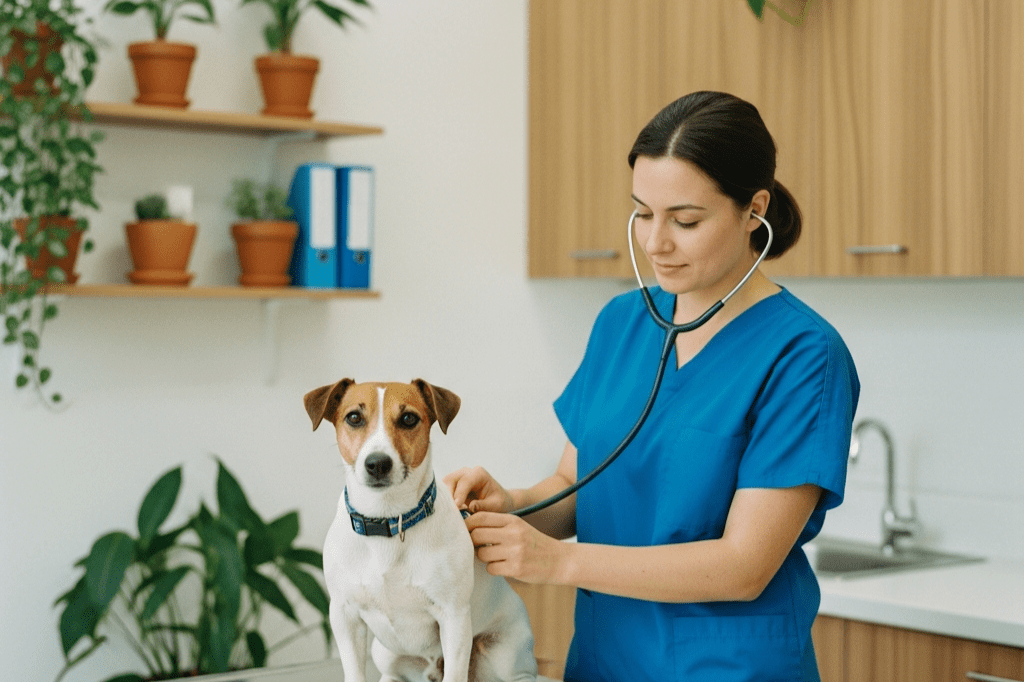
Quick Answer: Most healthy adult dogs should have a wellness check at least once a year. Puppies usually need visits every 3 to 4 weeks during the early vaccine and development period, while many senior dogs and dogs with chronic health concerns benefit from exams every 6 months or more often. The right schedule depends…
Read MoreWhat Are Beta-Glucans in Mushrooms for Dogs? Why Dog Parents Hear About Them

Quick AnswerBeta-glucans are natural compounds found in certain mushrooms. They are one of the main reasons medicinal mushrooms are discussed in dog wellness conversations because they interact with immune-related pathways and may support normal immune function as part of a broader wellness routine.[1–3] They are not a cure, and they do not replace veterinary care,…
Read MoreMushroom Immune Support for Dogs: What Dog Parents Should Actually Know
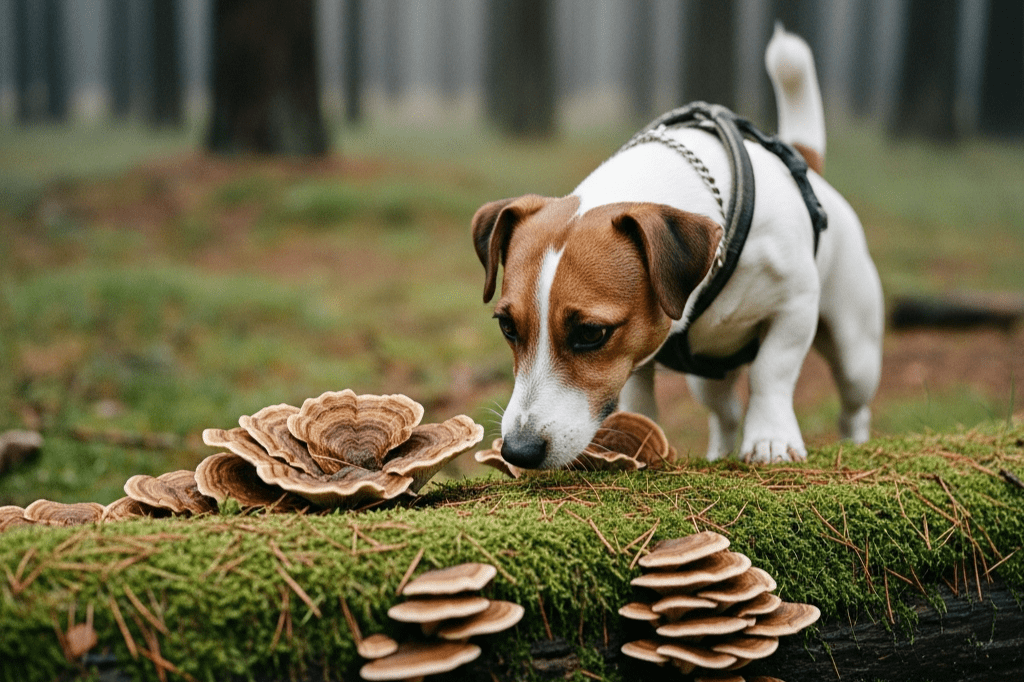
Quick Answer Animal oncologists began investigating mushroom-derived immune support in the late 1990s, largely in response to the high incidence of canine neoplasia, which affects roughly 50% of dogs over age 10. With advanced cancer treatments often exceeding $10,000, many owners are shifting toward proactive, evidence-based wellness.[7][8] Compounds such as beta-glucans are currently being studied…
Read MoreBest Organic Dog Treats Made in the USA: A Vet-Safe Guide for Dog Parents

Quick Answer “Made in the USA” can be a meaningful trust factor for some dog parents, but it is not a shortcut to safety, digestibility or nutritional quality. The best organic dog treats made in the USA are the ones with transparent labels, manageable calories, an appropriate portion size, and a formula your dog actually…
Read MoreOrganic Dog Treats with Natural Ingredients: What Actually Matters for Your Dog
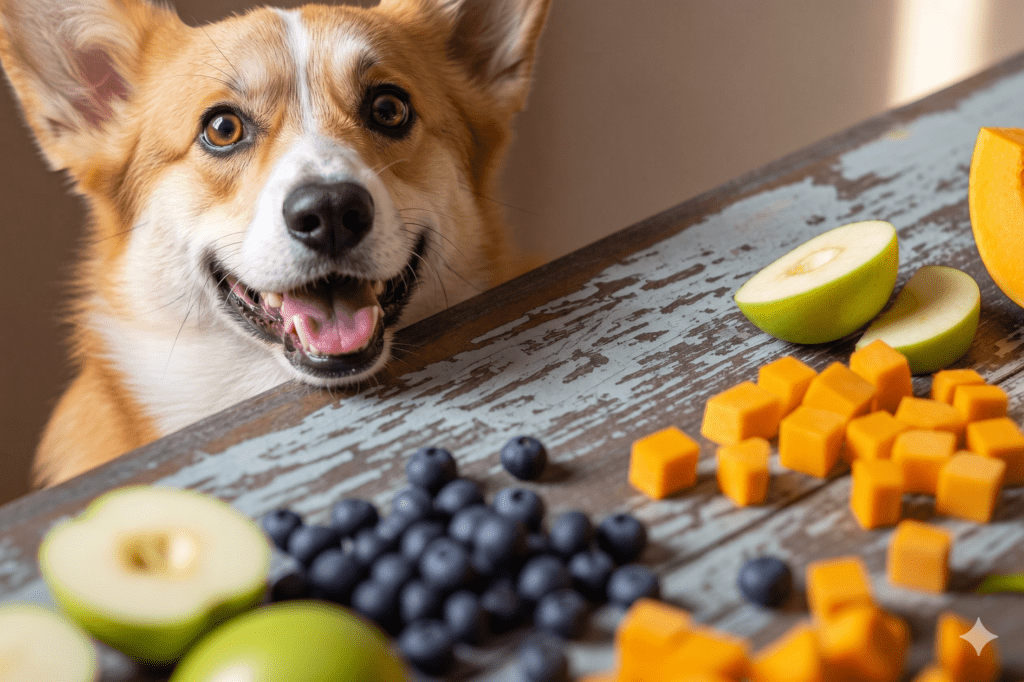
Quick Answer Organic dog treats made with natural ingredients can be a smart choice for dog parents who want cleaner sourcing, more recognizable ingredients and greater confidence in what they feed their dogs. Still, “organic” and “natural” work best when they are paired with practical label checks: ingredient transparency, calorie content, treat size, formula consistency…
Read MoreTop-Rated Organic Dog Treats: How to Choose Safely Without Falling for the Hype

Quick Answer “Top-rated” organic dog treats are not automatically the safest or healthiest choice. Reviews can be useful, but they do not replace label-reading, calorie awareness, ingredient transparency or your dog’s individual tolerance. For most dogs, the better treat is one that is appropriately sized, easy to portion, clearly labeled and used sparingly within a…
Read MoreOrganic Dog Treat Subscription Options: Why Superfood Science Makes Sense
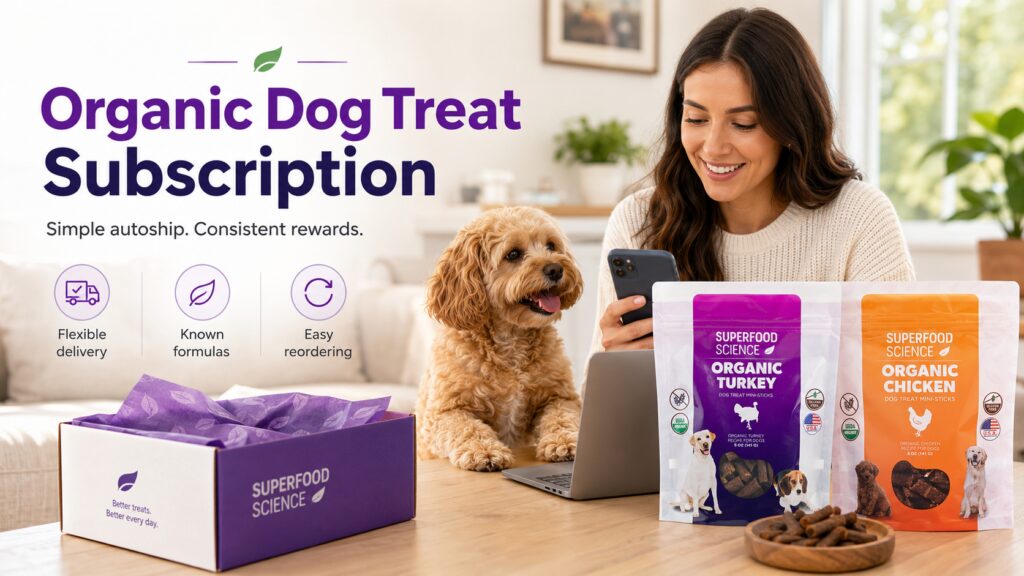
Quick Answer If your goal is dependable, repeatable treat delivery without the guesswork of rotating monthly boxes, a straightforward autoship model is often the most practical choice. For many dog parents, especially those who prefer consistency, Superfood Science Organic Dog Treats offer a simpler solution through Amazon.com and SuperfoodScience.com, where both platforms provide exclusive discounts…
Read More