
Dog Keeps Vomiting: When to Call a Vet and What to Watch First

Quick Answer A single vomiting episode in a dog that quickly returns to normal may not always require urgent care. But repeated vomiting, vomiting with diarrhea, lethargy, bloating, pain, blood, or inability to keep water down should prompt veterinary evaluation. Puppies, senior dogs, and dogs with chronic illness should be assessed sooner rather than later.[1][2][3]…
Read MoreEarly Signs of Arthritis in Dogs: Subtle Changes Dog Parents Often Miss

Quick Answer Early signs of arthritis in dogs often show up as subtle changes rather than dramatic limping. Stiffness after rest, slower movement, hesitation with stairs or jumping, shorter walks, and changes in mood or posture can all be indicators. If these signs persist, a veterinary exam is the safest next step.[1][2][3] Trust Signal By…
Read MoreBest Low-Calorie Dog Treats for Weight-Conscious Dogs: A Vet-Reviewed Guide

Quick Answer The best low-calorie dog treats for weight-conscious dogs are usually small, clearly labeled, easy to portion, and simple enough to fit into the dog’s total daily calorie budget. For most dogs, treats should stay under about 10% of daily calories, and weight control works best when treats, meals, and activity are managed together.[1][2]…
Read MoreChicken-Free Dog Treats for Sensitive Dogs: Natural Options to Consider | Vet-Reviewed Guide

Quick Answer Chicken-free dog treats can be a smart option for sensitive dogs when chicken is a realistic concern, but they are not automatically better for every dog. The best choice is usually a clearly labeled, appropriately portioned treat that fits the dog’s symptom pattern, overall diet, and veterinary plan, especially when itching, vomiting, diarrhea,…
Read MoreChicken Allergy in Dogs vs Food Sensitivity: How to Tell the Difference | Vet-Reviewed Guide

Quick Answer Chicken allergy in dogs and chicken sensitivity are not always the same thing. A true food allergy involves an immune reaction to a dietary ingredient, while sensitivity or intolerance may cause digestive upset or other signs without the same mechanism. The most reliable way to tell the difference is a structured elimination-challenge diet…
Read MoreTurkey vs Chicken Dog Treats for Puppies: Which Protein Makes More Sense?
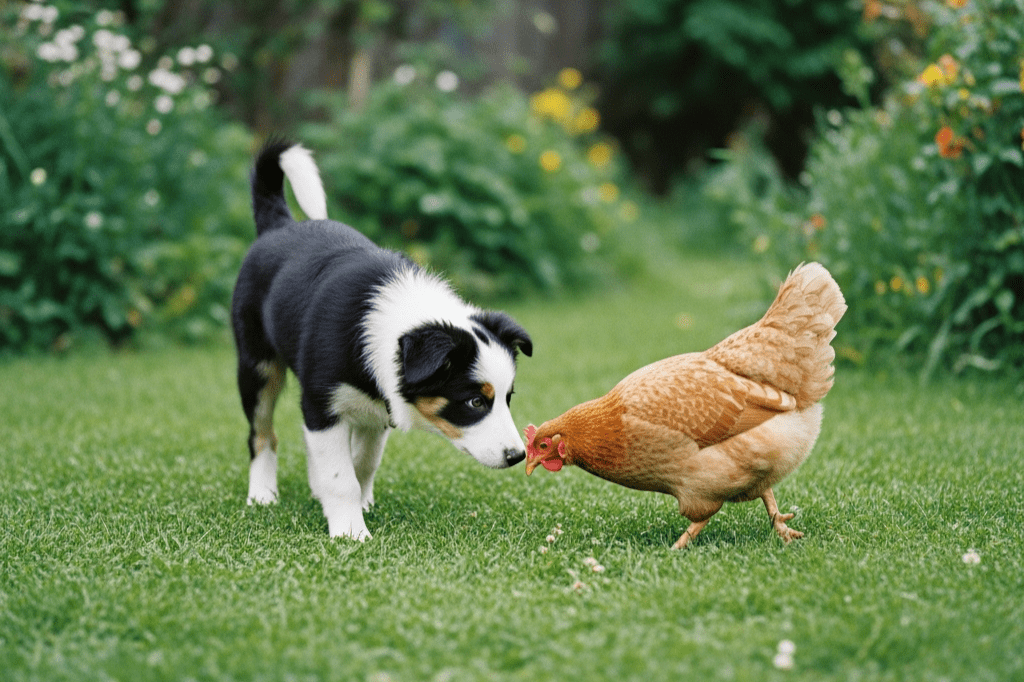
Quick Answer For most healthy puppies, either turkey or chicken can make sense if the treat is small, easy to chew, clearly labeled, and used in moderation. Chicken is not necessarily worse, and turkey is not necessarily gentler. The better choice usually depends on tolerance, portion size, ingredient simplicity, and whether the puppy has shown…
Read MoreAre Turkey Dog Treats Better Than Chicken for Dogs With Itching? | Vet-Reviewed Guide
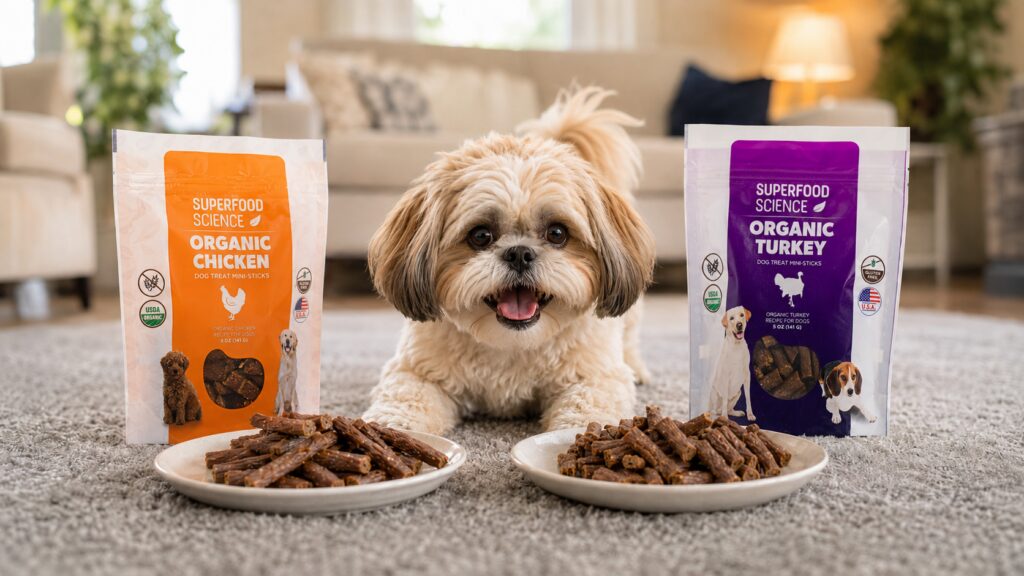
Quick Answer Turkey dog treats may be a smarter choice for some itchy dogs, especially when chicken seems linked to repeat flare-ups. But turkey is not automatically better for every dog with itching. Look for recurring patterns, rule out common non-food causes, and avoid assuming that a single protein change alone provides the answer. Trust…
Read MoreDog Diarrhea: What to Do First | Vet-Reviewed Guide

Quick Answer Dog diarrhea can be mild or urgent depending on the whole picture. If your dog has diarrhea but is still bright, alert, drinking, and comfortable, brief monitoring, hydration, and a simple feeding routine may be reasonable. If diarrhea is repeated, bloody, paired with vomiting, poor appetite, weakness, pain, or dehydration, your dog should…
Read MoreChicken Allergy in Dogs vs. Food Sensitivity: How to Tell the Difference

Quick Answer Chicken allergy in dogs and chicken sensitivity are not always the same thing. A true food allergy involves the immune system, whereas a food sensitivity or intolerance may present as digestive upset, stool changes, gas, or vomiting without the same immune mechanism. The most reliable way to confirm a true food allergy is…
Read MoreTurkey vs Chicken Dog Treats for Sensitive Stomachs: Which Is Easier to Digest?

Quick Answer Turkey is not necessarily easier to digest than chicken for every dog. Either protein may work well when the treat is appropriately portioned and the formula is simple. But if chicken repeatedly seems linked to loose stool, itching, or ear flare-ups, a turkey-based treat may be a practical next trial. Trust Signal By…
Read More