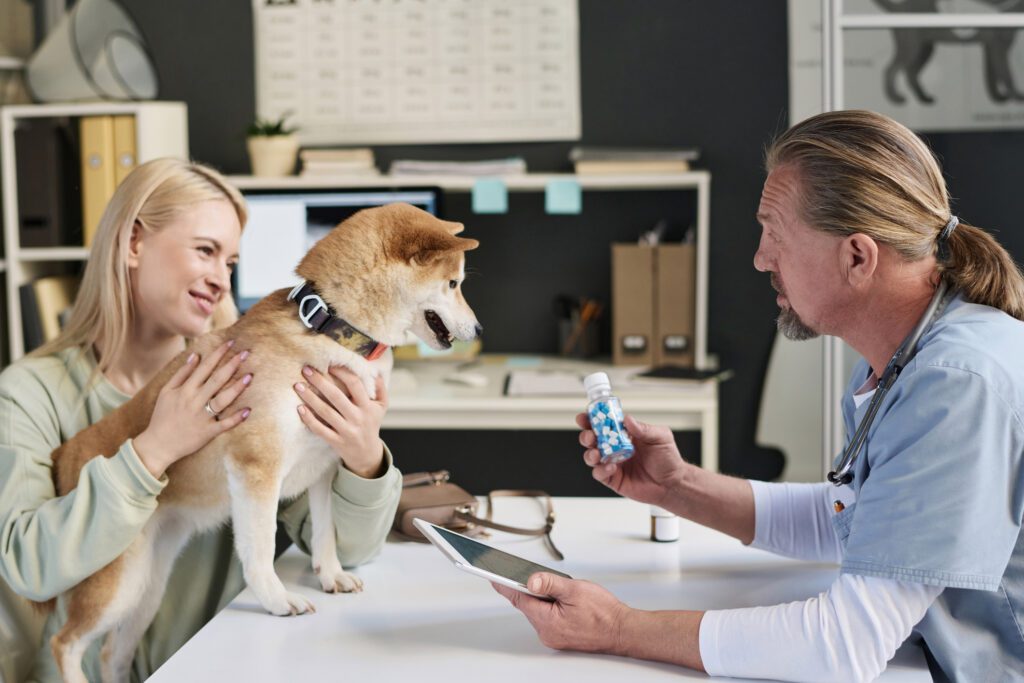

Small Changes. Big Difference for Your Dog’s Well-Being
At Superfood Science, we believe the best dog wellness comes from consistent, doable habits—not scary headlines or one-size-fits-all advice. That’s why our team is committed to publishing clear, practical dog health tips you can actually use in daily life, from smarter treat choices to gentle routine upgrades that support long-term well-being. Just as importantly, every article is reviewed by a veterinarian to help ensure our guidance is accurate, balanced, and grounded in what’s safe and reasonable for real dogs, not trends.
Our goal is simple: give you trustworthy information you can feel good about, so the small changes you make today can add up to a happier, healthier life for your dog.
Have a Dog Health Question? Reach Out
We’d love to hear from you. If you have a dog wellness question or questions about Superfood Science pet products, send them our way. Whether you’re wondering which product is the best fit for your dog, how to use it, what functional ingredients are best for your pets, serving tips, or how to build a simple daily routine, your message helps us support you better. We can’t diagnose or treat medical conditions online. Still, we can explain our products clearly and use your questions to shape future veterinarian-reviewed articles on the topics pet parents care about most.
Dog Health Tips

Quick Answer Can dog treats go bad? Yes. Heat, humidity, oxygen, time, and damaged packaging can reduce freshness or increase safety concerns. Check the best-by date, reseal the original package, store treats below 80°F in a dry place, and discard any product with mold, insects, unusual moisture, malodor, discoloration, or damaged packaging. Trust Signal By…
Quick Answer Trainer dog treats perform best when their reward value matches the difficulty of the behavior. Build a dog training reward ladder: use everyday rewards for easy cues, more aromatic high-value rewards for distractions and recall, and a rare jackpot for exceptional responses. Keep pieces tiny, deliver them immediately, and count them toward the…

Quick Answer: The best dog treats for sensitive stomachs are simple, clearly labeled, easy to portion, and introduced slowly. Look for a formula your dog tolerates within the full diet, not a treat that promises to “fix” symptoms. Repeated vomiting, diarrhea, poor appetite, weight loss, or blood in stool should prompt veterinary guidance.[1][2][3] Trust Signal…

Quick Answer The best puppy training treats are tiny, semi-soft, easy to chew, and low enough in calories for repeated rewards. For puppies, the 10% treat rule is more than weight control: it protects the complete and balanced growth diet that should provide most daily nutrition. Trust Signal By Superfood Science Writing Team | Reviewed…
Quick Answer The best grain-free dog treats are clearly labeled, easy to portion, and well tolerated by your dog. Grain-free can be a smart clean-label preference, but it is not automatically better for every dog. The full formula, calories, protein source, and your dog’s real response matter most.^[1]^[2]^[3] Trust Signal By Superfood Science Writing Team…
Quick Answer The best soft dog treats for senior dogs are easy to chew, easy to break into small pieces, clearly labeled, and realistic for your dog’s daily calorie needs. Semi-soft treats can be especially practical for older dogs, but sudden changes in chewing, bad breath, weight loss, or pain still deserve veterinary attention. Trust…
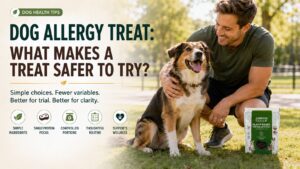
Quick Answer A better dog allergy treat is usually simple, clearly labeled, easy to portion, and chosen to reduce variables rather than add them. No over-the-counter treat can confirm a food allergy by itself. If itching, ear flare-ups, vomiting, or diarrhea are recurring, veterinary guidance is more useful than continued guesswork.[1][2][3] Trust Signal By Superfood…

Quick Answer Yes, blueberries can be a safe treat for many dogs when fed in small amounts. They are naturally low in calories and contain fiber and plant compounds, but they are still treats, not a nutritional cure-all. Portion size, the dog’s size, body type, and the full diet still matter most.[1][2][3] Trust Signal By…

Quick Answer The best allergy treats for dogs are simple, clearly labeled, easy to portion, and chosen around your dog’s real symptom pattern. They can support a cleaner at-home treat routine, but they cannot diagnose or treat a food allergy. If itching, ear flare-ups, vomiting, or diarrhea recur, ask your veterinarian before continuing to experiment.…

Quick Answer The best trainer dog treats are usually tiny, quick to chew, clearly labeled, easy to count, and palatable. A great training treat keeps your dog engaged without slowing the session or quietly adding too many calories. For most dogs, the best choice depends on motivation, body size, reward frequency, and ingredient tolerance.[1][2][3] Trust…